If you are shopping for a used car in California, sooner or later you will hit the smog question: does this car need a smog check, how recent does it have to be, and — the part everyone asks — for a smog check on a used car in California, who pays? The short answer is that for most gasoline cars the seller is responsible. The longer answer has a few exemptions, a 90-day clock and some practical checks that can save you a headache at the DMV.
This guide explains how smog checks work when a used car changes hands, which cars are exempt and what you should look at before you pay. Rules can change, so we link to the official California DMV smog inspections page and the Bureau of Automotive Repair (BAR) wherever it matters.
Quick summary: For most gas cars, the seller must provide a passing smog certificate from within the last 90 days when the car is sold. Electric vehicles, very old gas cars, the newest model years and certain family transfers are exempt. The buyer pays the DMV transfer fees and any smog transfer fee that applies to newer cars.
Smog check on a used car in California: who pays?
California puts the smog duty on the seller. When a gasoline vehicle that requires smog changes ownership, the seller is expected to have it tested at a Smog Check station and hand over a passing result. The station sends the result to the DMV electronically, so there is usually no paper you need to carry around, although many sellers print the report for the buyer.
What this means for you as a buyer:
- You should not have to pay for the inspection that the sale requires, as long as the car is not exempt.
- “As is” does not change it. A car sold as is still generally needs a valid smog certificate from the seller. “As is” describes the condition of the car, not who handles the smog.
- The buyer still pays the DMV side. Transfer fees, use tax, registration fees and, for some newer cars, a smog transfer fee are the buyer’s costs. We explain those in our guide to title transfer, DMV fees and paperwork in California. For an estimate on a specific car, use the DMV’s official fee calculator.
If a seller tells you, “It just needs a smog, you can take care of that,” pause. Sometimes it really is a formality. Sometimes the seller already knows the car will not pass.
The 90-day rule
For a change of ownership, a smog certificate is generally valid for 90 days from the date of the inspection. That is a narrower window than many people expect.
- Ask for the date of the smog test, not just “it passed smog.”
- If the test is older than 90 days on the day of sale, the seller usually needs a new one.
- If the car was smogged for a registration renewal months ago, that result may not cover the sale.
Once you buy the car, you have 10 days to report the change of ownership to the DMV. A fresh, valid smog result on file makes that step much smoother.
Which used cars are exempt from a smog check at sale?
According to the DMV, not every vehicle needs a smog inspection when it changes hands. Common exemptions include:
- Fully electric vehicles. No tailpipe, no smog check — at sale or at renewal.
- Gasoline vehicles from model year 1975 or older.
- Older diesel vehicles, and diesel or natural-gas vehicles above a certain gross vehicle weight. Newer light-duty diesels generally do need smog.
- The newest gasoline vehicles. Cars within their first few model years usually do not need an inspection at transfer; instead the buyer pays a smog transfer fee to the DMV.
- Certain family transfers, such as between spouses, domestic partners, parents and children, grandparents and grandchildren, or siblings.
- Motorcycles and trailers.
Two things often surprise people:
- Hybrids are not exempt. A hybrid has a gasoline engine, so it generally follows the same smog rules as a gas car.
- Out-of-state cars are their own case. A vehicle being registered in California for the first time usually needs a smog check as part of that process, even in situations where an in-state transfer would not. Check the DMV page for the details of your situation.
The exact cut-offs for newer model years and weight classes are set by the state and can change, so confirm on the DMV smog page for the specific year and fuel type.
What a smog check actually tells you (and what it does not)
A passing smog result is good news, but it is not a full health check of the car. On most modern cars the test mainly looks at the on-board diagnostic system, a visual inspection of emissions parts and, depending on the car, other functional checks.
Things a passing smog result does not tell you:
- Whether the transmission, suspension or brakes are in good shape.
- Whether a check engine light will come back next week.
- Whether the car has been in an accident or has a branded title — for that, read the history report. Our guide on how to read a Carfax report walks through it.
Watch for “readiness” problems
Modern cars run self-tests called readiness monitors. If someone recently disconnected the battery or cleared trouble codes with a scanner, those monitors reset and the car may not be ready for a smog test until it has been driven for a while. A car that “just needs to be driven a bit before smog” might be fine — or someone might have just erased a warning light. A recent passing result removes that doubt.
Check the history
BAR keeps a record of smog inspections. Its website offers a public smog check history lookup by plate number or VIN, so you can see past passes and fails. A car that failed several times before finally passing is worth a closer look and a conversation with the seller.
Smog and the cars people actually shop for
How this plays out depends on the car:
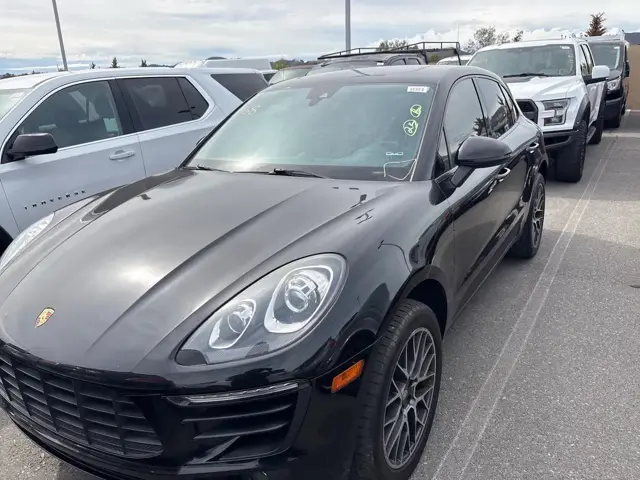
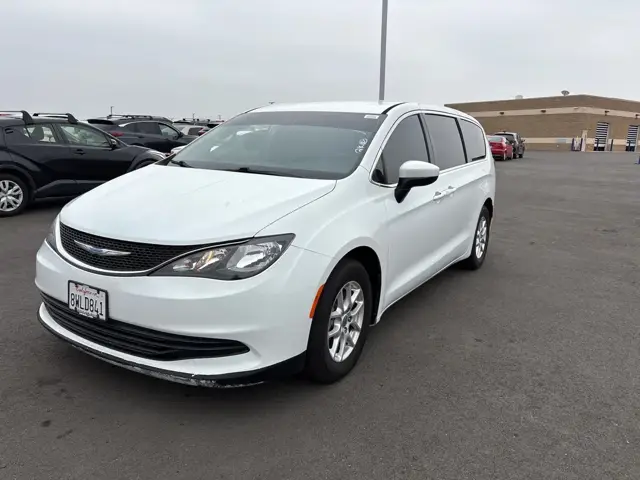
- A gas minivan or SUV, like the 2018 Chrysler Pacifica LX or 2018 Chrysler Pacifica Limited with the 3.6L Pentastar V6, or the turbocharged 2018 Porsche Macan, needs a valid smog certificate at sale. It will also need smog checks at registration renewal going forward, usually every other year.
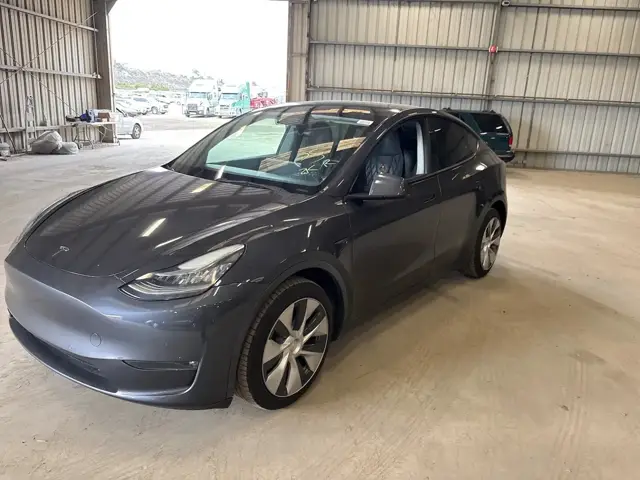
- An electric car, like the 2021 Tesla Model Y Long Range or 2018 Tesla Model 3 Long Range, needs no smog check at all. Newer zero-emission vehicles do pay a road improvement fee at registration instead. If you are considering one, our guide to a used Tesla Model Y and Model 3 in Orange County covers battery, range and charging checks.
If you are leaning toward a Pacifica, our used Chrysler Pacifica buyer’s guide lists the model-specific things to check.
After you buy: smog at registration renewal
Smog does not end with the sale. For most gasoline vehicles in California, a smog check is required every two years at registration renewal once the car is past its first several model years. Newer cars pay a smog abatement fee for those early years instead.
Your DMV renewal notice will say whether a smog check is required that year. If it does, get the test done before you renew — the DMV will not complete the renewal without a valid result on file. For current details, see the BAR Smog Check program pages.
A practical smog checklist for used-car buyers
Use this before you pay for any gas or hybrid car:
- Confirm whether the car is exempt (electric, very old, newest model years, family transfer).
- If it is not exempt, ask the seller for a passing smog result.
- Check the date of the test — it should be within 90 days of the sale.
- Make sure the VIN on the smog report matches the VIN on the car and the title.
- Look up the car’s smog history on the BAR website by plate or VIN.
- Start the car cold and confirm the check engine light comes on with the key and then goes off.
- Be cautious if the seller says the car “just needs to be driven” before smog.
- Remember that a smog pass is not an inspection of the whole car — you are welcome to arrange an independent pre-purchase inspection.
- Run the DMV fee calculator so the smog transfer fee (if any), use tax and registration fees are not a surprise.
How it works at 2 Drive Motors
At 2 Drive Motors in Lake Forest, every car is ready for title transfer and registration before it is listed, and we prepare all the paperwork. For gas cars that require smog, California makes the smog certificate the seller’s job, and that applies to us too. Electric cars like our Teslas do not need one. Any government-required tax or registration fees are itemized for you in writing, with no extra or hidden DMV or dealer fees on top, and a Carfax report is available on request for every car.
You can see a car in person in Lake Forest — call or text to set a time — or ask for a live video walk-around. You are welcome to arrange an independent inspection with your own mechanic at your cost. Payment is by cash, cashier’s check, or a loan you arrange with your own bank or credit union. The full process is explained on how it works.
Have a smog or paperwork question about a specific car? Browse the cars in stock and see the current price on each car’s page, then call or text (949) 989-5936 (Mon–Sat, 9:00 AM–6:00 PM), or leave your number on any car page and we will call you back.
Frequently asked questions
Who pays for the smog check when buying a used car in California?
For most gasoline vehicles, California law makes the seller responsible for providing a valid smog certificate at the time of sale. The buyer should not have to arrange or pay for the inspection that the transfer requires. Some vehicles are exempt, so check the DMV smog page for your car.
How long is a California smog certificate good for when selling a car?
For a change of ownership, a smog certificate is generally valid for 90 days from the date of the inspection. If it is older than that on the day of sale, the seller usually needs a new one.
Does an electric car like a Tesla need a smog check in California?
No. Fully electric vehicles have no tailpipe and do not need a smog inspection at sale or at registration renewal. Hybrids are different: they have a gas engine and generally do need smog checks.
Can a private seller sell a car 'as is' and make the buyer get the smog check?
Selling a car as is generally does not move the smog responsibility to the buyer. If a seller asks you to take care of the smog yourself, treat it as a reason to slow down and ask why the car has not been tested.
Do I need a smog check when a car is transferred within my family?
Transfers between certain family members, such as spouses, domestic partners, parents, children, grandparents, grandchildren and siblings, are generally exempt from the transfer smog requirement. The DMV smog page lists the exact cases.
Shopping for a used car in Orange County?
2 Drive Motors is an independent used-car seller in Lake Forest. A Carfax report is available on request for every car, all paperwork is prepared for title transfer, and there are no hidden DMV or dealer fees. Call or text (949) 989-5936.
This article is general information, not legal or tax advice. Rules and fees change — always confirm current requirements with the California DMV.